If you’re looking for a healthcare career where you can make a meaningful difference in people’s lives, respiratory therapy may be worth exploring. Respiratory therapists are trained healthcare professionals who help patients with breathing and cardiopulmonary conditions, from premature infants who need respiratory support to adults managing chronic lung disease or experiencing a medical emergency.
For students in Fort Mill, Rock Hill, York County, northern South Carolina, and the greater Charlotte area, respiratory therapy can provide a pathway into a specialized healthcare profession without requiring a traditional four-year bachelor’s degree.
Laurel College of Technology now offers its established Respiratory Therapy program at its Fort Mill, South Carolina campus. The 20-month specialized associate degree combines classroom instruction, hands-on simulation, and clinical education to prepare students for the responsibilities of respiratory care.
Here’s what you should know about becoming a respiratory therapist in South Carolina.
What Does a Respiratory Therapist Do?
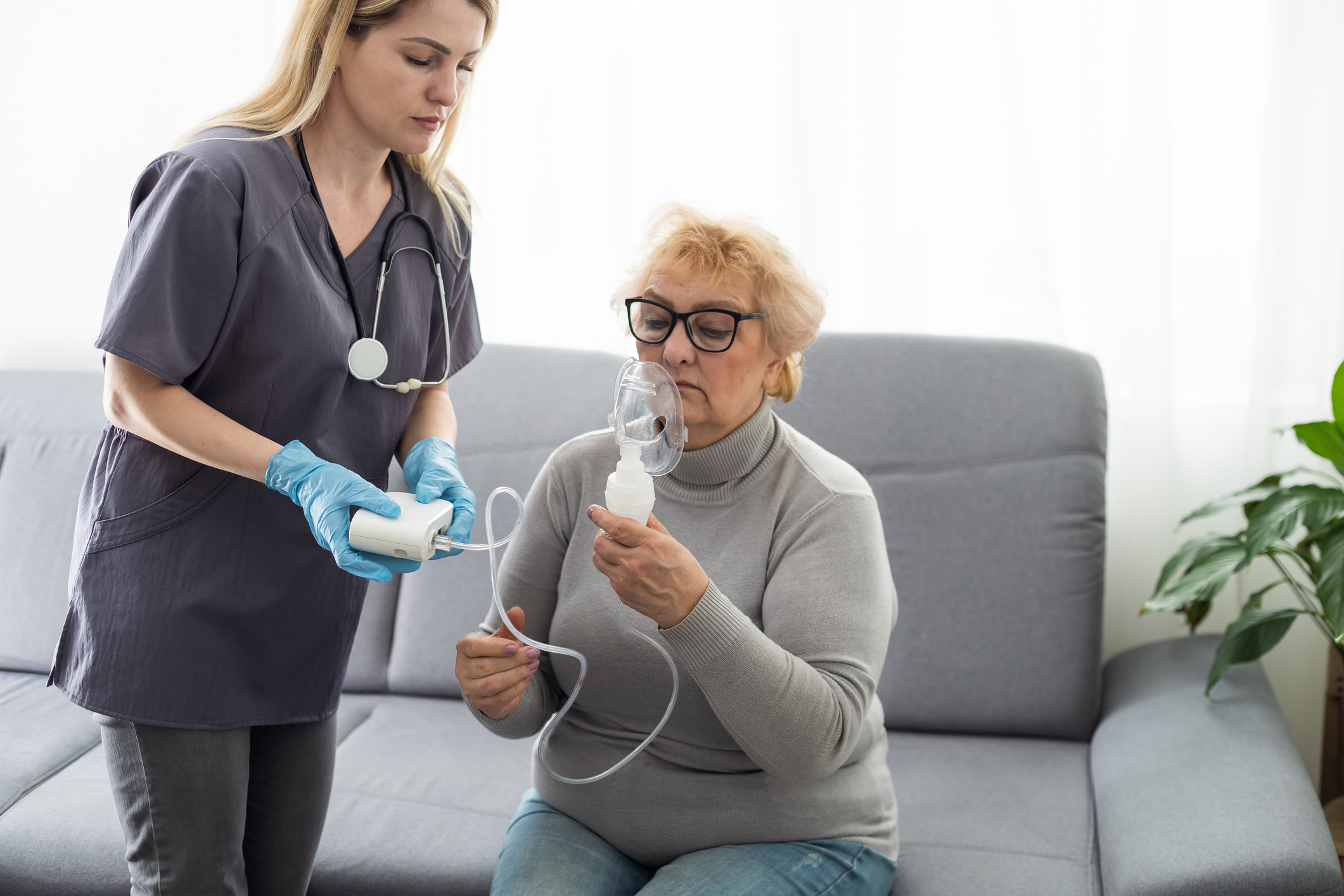
Respiratory therapists, often called RTs, evaluate and treat patients with breathing and cardiopulmonary disorders. They work alongside physicians, nurses, and other healthcare professionals to help patients breathe more effectively and manage respiratory conditions.
Depending on their work environment, respiratory therapists may:
- Assess patients experiencing breathing difficulties
- Administer oxygen and respiratory therapies
- Manage mechanical ventilators
- Perform diagnostic testing
- Assist during cardiopulmonary emergencies
- Manage artificial airways
- Educate patients about chronic respiratory conditions
- Monitor patients receiving respiratory support
One of the distinctive aspects of respiratory therapy is the variety of patients an RT may encounter. Respiratory therapists can care for premature infants, children with asthma, critically ill adults, surgical patients, and older adults managing chronic respiratory conditions.
Is There a Need for Respiratory Therapists in Fort Mill and Charlotte?
This is an especially important question for someone considering respiratory therapy school, and it’s also one of the questions Laurel’s admissions team hears most frequently: Will I be able to find a job after I graduate?
Laurel’s decision to bring its established Respiratory Therapy program to Fort Mill was influenced directly by conversations about the region’s respiratory care workforce.
According to Mary Mittwede, Program Director of Respiratory Therapy at Laurel, the idea originated before the Fort Mill campus opened. During planning for the campus, the owner of Laurel’s first campus building specifically encouraged the college to bring Respiratory Therapy training to the area because of the perceived need for respiratory therapists in the community.
Laurel continued gathering input from hospital leaders, respiratory care managers, physicians, and members of its Respiratory Therapy Program Advisory Committee. At the program’s South Carolina Advisory Committee meeting on November 18, 2025, regional healthcare input reinforced the need for qualified Registered Respiratory Therapists in northern South Carolina and the Charlotte metropolitan area.
Healthcare leaders have told Laurel that recruiting and retaining qualified respiratory therapists continues to be challenging. Among the factors identified are workforce shortages, retirements, population growth, and the expansion of critical care, emergency, neonatal, and outpatient respiratory services.
As one healthcare partner told Laurel, “As our hospitals continue to grow, so does our need for Registered Respiratory Therapists.” Another reported that respiratory therapist positions can remain open for extended periods.
For Laurel, expanding Respiratory Therapy education to Fort Mill provides an opportunity to educate students locally while helping regional healthcare organizations develop a pipeline of respiratory care professionals.
Respiratory Therapy Workforce Insight
Laurel College of Technology’s conversations with regional healthcare leaders and its Respiratory Therapy Program Advisory Committee have identified an ongoing need for Registered Respiratory Therapists in northern South Carolina and the Charlotte metropolitan area.
Healthcare partners have cited workforce shortages, retirements, population growth, and the expansion of critical care, emergency, neonatal, and outpatient respiratory services as factors contributing to the need for qualified respiratory therapists.
Source: Laurel College of Technology Respiratory Therapy Program Advisory Committee and regional healthcare partner feedback. South Carolina Advisory Committee meeting held November 18, 2025.
How to Become a Respiratory Therapist
Step 1: Complete High School or Earn an Equivalent Credential
The first step toward becoming a respiratory therapist is completing your high school education or earning an equivalent credential.
A background in science and math can be helpful because respiratory therapy involves anatomy, physiology, medical terminology, equipment, and clinical decision-making. Just as important are communication skills, attention to detail, compassion, and the ability to remain composed in challenging situations.
Step 2: Complete a Respiratory Therapy Degree Program
Future respiratory therapists need specialized education that combines scientific knowledge with practical patient-care skills.
At Laurel College of Technology’s Fort Mill campus, students can complete a 20-month Specialized Associate degree in Respiratory Therapy.
The program combines:
- Classroom instruction
- Hands-on simulation
- Clinical education
- Respiratory care procedures
- Airway management
- Mechanical ventilation
- Medical gas administration
- Patient assessment
- Treatment planning
- Critical care and emergency response
The goal isn’t simply to learn respiratory care concepts from a textbook. Students need opportunities to apply those concepts to the equipment, situations, and clinical decisions they may encounter as respiratory therapists.
Step 3: Develop the Skills Healthcare Employers Want
Technical knowledge is essential, but Laurel’s conversations with healthcare employers suggest that becoming a successful respiratory therapist requires more than mastering clinical procedures.
When Laurel asks its healthcare partners what they want from new respiratory therapy graduates, several qualities come up consistently.
Employers want respiratory therapists who:
- Demonstrate strong clinical competency
- Communicate effectively with patients and healthcare teams
- Think critically under pressure
- Demonstrate professionalism
- Treat patients with compassion
- Are dependable and confident
- Remain committed to continued learning
Employers have also emphasized the importance of graduates being prepared to transition effectively from school into professional practice.
That’s why Laurel’s Respiratory Therapy program combines technical education with clinical experiences and opportunities to develop communication, critical thinking, professionalism, and confidence.
Step 4: Gain Hands-On Clinical Experience
Respiratory therapy cannot be learned entirely in a classroom.
Clinical education gives students an opportunity to apply what they have learned while working alongside healthcare professionals in real-world environments.
Laurel works with regional healthcare providers to provide clinical education opportunities. Healthcare organizations also participate in Laurel’s Program Advisory Committee, allowing employers to provide input about the knowledge and skills they need from future respiratory therapists.
The relationship benefits both students and the regional healthcare community. Students gain exposure to respiratory care in clinical environments while healthcare providers participate in educating potential future members of their workforce.
In fact, one healthcare partner explained the connection this way:
“We’re excited to partner with Laurel because educating students locally helps us recruit and retain talent.”
For prospective students, clinical rotations are understandably an important consideration. “Where will I complete my clinical rotations?” is one of the three questions Laurel says prospective Respiratory Therapy students ask most frequently.
Admissions representatives can provide students with current information about clinical education and program requirements.
Step 5: Prepare for Respiratory Therapy Credentialing
Graduating from respiratory therapy school is an important milestone, but professional credentialing is another key step toward entering the field.
Laurel’s Respiratory Therapy curriculum emphasizes preparation for National Board for Respiratory Care (NBRC) credentialing examinations.
Students should speak with Laurel admissions representatives about current credentialing, eligibility, and South Carolina licensing requirements when considering the program.
What Makes Laurel’s Respiratory Therapy Program Different?
For Laurel, bringing Respiratory Therapy to Fort Mill isn’t the launch of an entirely new academic program. The college is expanding an established program already offered at Laurel campuses in Pennsylvania.
According to Laurel’s Respiratory Therapy leadership, several characteristics define its approach:
Small class sizes.
A smaller learning environment gives students greater opportunities to interact with instructors.
Individualized faculty support.
The program takes a student-centered approach designed to help students develop their knowledge and clinical skills.
Hands-on simulation.
Students have opportunities to practice respiratory care concepts and procedures rather than learning exclusively through classroom instruction.
Clinical experiences.
The curriculum incorporates experiences designed to connect classroom learning with respiratory care in healthcare settings.
Regional healthcare partnerships.
Laurel works with healthcare providers that participate in clinical education and the program’s advisory process.
Credentialing preparation.
The curriculum emphasizes preparation for NBRC credentialing examinations.
Together, these components are intended to prepare students to become clinically competent, compassionate respiratory care professionals.
Where Do Respiratory Therapists Work?
Hospitals are among the most familiar workplaces for respiratory therapists, but opportunities can exist throughout the healthcare system.
Respiratory therapists may work in settings such as:
- Hospitals
- Intensive care units
- Emergency departments
- Neonatal and pediatric care
- Pulmonary rehabilitation
- Outpatient respiratory care
- Long-term care
- Home healthcare
- Diagnostic and sleep-related services
Laurel’s conversations with regional healthcare organizations indicate that demand isn’t limited to one area of care. Local healthcare leaders have specifically pointed to growth in critical care, emergency, neonatal, and outpatient respiratory services as factors contributing to the region’s workforce needs.
Is Respiratory Therapy Right for You?
Respiratory therapy may appeal to someone who wants a healthcare career combining science, technology, problem-solving, and direct patient care.
You may want to consider respiratory therapy if you:
- Want to work directly with patients
- Enjoy science and healthcare
- Are comfortable working with medical technology
- Can think clearly in high-pressure situations
- Communicate well with others
- Enjoy being part of a healthcare team
- Want work that involves problem-solving rather than sitting behind a desk
- Are committed to continuing to learn as healthcare technology evolves
The qualities employers have shared with Laurel provide another useful guide. Clinical competency matters, but so do compassion, professionalism, communication, dependability, and critical thinking.
Why Study Respiratory Therapy in Fort Mill?
For students in northern South Carolina, Laurel’s Fort Mill campus provides an opportunity to pursue Respiratory Therapy education closer to home.
The campus serves students throughout Fort Mill, Rock Hill, York County, and surrounding communities, while its proximity to Charlotte places students near a large and growing metropolitan healthcare market.
The decision to expand Laurel’s established Respiratory Therapy program into Fort Mill was directly connected to the needs Laurel heard from healthcare professionals in the region.
Rather than relying solely on national workforce trends, Laurel consulted with hospital leaders, respiratory care managers, physicians, and its Program Advisory Committee. Their feedback identified an ongoing need to educate and retain more respiratory therapists locally.
For students, that means the program has been developed with input from the same healthcare community they may eventually hope to serve.
Frequently Asked Questions About Becoming a Respiratory Therapist
How long is respiratory therapy school?
Laurel College of Technology’s Specialized Associate Degree in Respiratory Therapy program can be completed in approximately 20 months.
What are the most common questions prospective RT students ask?
According to Laurel, its admissions team most frequently hears three questions from prospective Respiratory Therapy students:
- Will I be able to find a job after I graduate?
- How long is the program, and what is the schedule like?
- Where will I complete my clinical rotations?
These are good questions to ask any respiratory therapy school you’re considering.
Are respiratory therapists needed in the Charlotte and Fort Mill area?
Healthcare leaders who have spoken with Laurel report an ongoing need for Registered Respiratory Therapists throughout northern South Carolina and the Charlotte metropolitan area. They have cited challenges including workforce shortages, retirements, regional population growth, and expansion of respiratory services.
Do respiratory therapists work only in hospitals?
No. While hospitals are major employers, respiratory therapists can also work in rehabilitation, outpatient care, home healthcare, long-term care, diagnostic services, and other healthcare environments.
Do respiratory therapists work with children?
Yes. Respiratory therapists may care for patients throughout the lifespan, including premature infants, children, adults, and older adults.
Does respiratory therapy school include clinical experience?
Yes. Laurel’s program combines classroom education and hands-on simulation with clinical experiences through regional healthcare partnerships.
Start Your Journey Toward a Career in Respiratory Therapy
Becoming a respiratory therapist requires more than learning how the lungs work. It requires developing clinical skills, learning sophisticated respiratory technology, communicating with patients and healthcare teams, and becoming someone others can depend on when breathing becomes difficult or a patient’s condition becomes critical.
Laurel College of Technology’s 20-month Specialized Associate Degree in Respiratory Therapy program in Fort Mill brings Laurel’s established respiratory care education to northern South Carolina and the Charlotte region.
The program combines classroom instruction, simulation, clinical education, individualized faculty support, and input from regional healthcare partners to prepare students for the next steps toward a career in respiratory care.
Request information from Laurel College of Technology to learn more about the Respiratory Therapy program in Fort Mill, including admissions requirements, class schedules, clinical education, and upcoming start dates.