
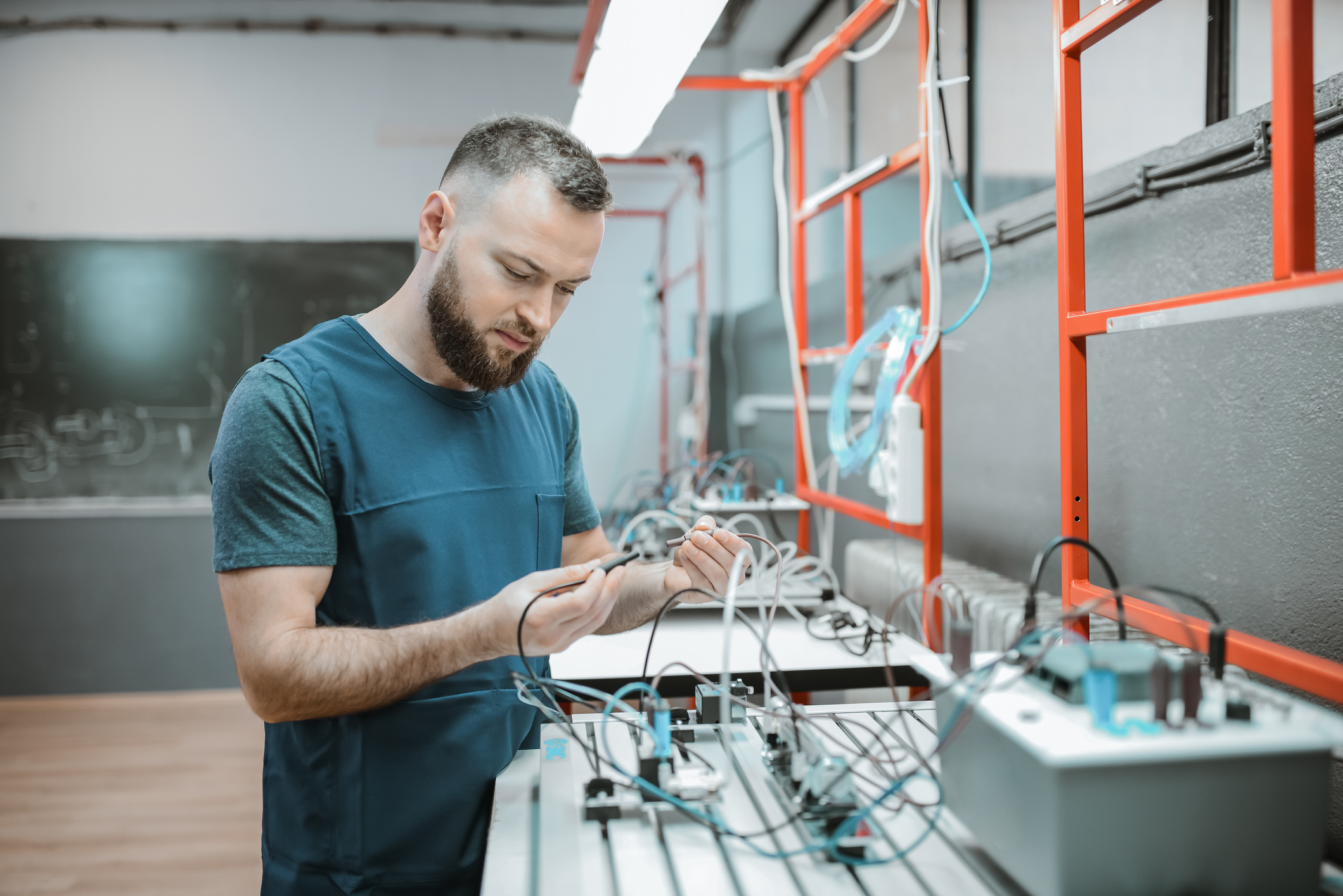
When people think about electrical careers, they often picture electricians wiring homes, installing outlets, or working on construction sites. While those are important roles, today’s electrical industry includes a much broader range of opportunities.
One career path that is gaining attention is Electrical Systems Technology. Electrical Systems Technicians help install, maintain, troubleshoot, and support the electrical and electronic systems that power homes, businesses, manufacturing facilities, and modern technology infrastructure.
For students in the Fort Mill and greater Charlotte region who enjoy hands-on work, problem-solving, and technology, Electrical Systems Technology can provide a pathway into a growing skilled trade without spending four years in college.
What Is an Electrical Systems Technician?
An Electrical Systems Technician works with the automated systems that help buildings, equipment, and facilities operate safely and efficiently.
Depending on the employer, technicians may work with:
- Residential electrical systems
- Commercial electrical systems
- Industrial electrical systems
- Manufacturing equipment
- Industrial motors
- Building automation systems
- Programmable Logic Controllers (PLCs)
- Low-voltage systems
- Fire alarm systems
- Access control systems
- Voice, data, and video systems
Unlike some electrical careers that focus on a single area, Electrical Systems Technicians often develop skills across multiple specialties.
At Laurel College of Technology’s Fort Mill campus, students receive hands-on training in residential, commercial, industrial, and advanced manufacturing applications. Coursework includes subjects such as residential wiring, commercial wiring, industrial wiring, electrical motors, PLC programming, industrial automation controls, troubleshooting, electrical distribution, and low-voltage systems.
“Today’s employers aren’t just looking for someone who can wire a circuit. They’re looking for technicians who understand automation, controls, troubleshooting, and technology. Our goal is to help students build the practical skills and confidence needed to enter the workforce and contribute from day one.”
— Justin Caldwell, Regional Director of Trades, Laurel College of Technology
What Does an Electrical Systems Technician Do Every Day?
A typical day can vary significantly based on the industry and employer.
Some technicians may spend their day installing electrical systems in a commercial building. Others may work inside a manufacturing facility helping maintain production equipment.
Common responsibilities include:
Installing Electrical Systems
Technicians help install electrical components and systems according to specifications and safety requirements.
Examples include:
- Running conduit
- Pulling wire
- Installing panels
- Connecting equipment
- Installing low-voltage systems
Troubleshooting Problems
One of the most valuable skills in the field is identifying and solving electrical issues.
Technicians learn how to:
- Read electrical diagrams
- Use testing equipment
- Identify faulty components
- Restore systems to proper operation
Maintaining Equipment
Many employers rely on technicians to perform preventive maintenance.
This may include:
- Inspecting electrical systems
- Replacing worn components
- Testing equipment performance
- Ensuring compliance with safety standards
Working with Automation Systems
Modern manufacturing relies heavily on automation.
Electrical Systems Technicians may work with:
- PLCs
- Industrial controls
- Sensors
- Automated production systems
- Motor control systems
These technology-focused skills are becoming increasingly valuable across many industries.
What Is PLC Programming?
One area that separates many Electrical Systems Technology programs from traditional electrical training is PLC programming.
PLC stands for Programmable Logic Controller.
These industrial computers control machinery and automated systems used in:
- Manufacturing facilities
- Distribution centers
- Food processing plants
- Automotive production facilities
- Packaging operations
PLCs help machines communicate and operate efficiently.
As manufacturing becomes more automated, technicians who understand PLCs often have access to a broader range of employment opportunities.
What Are Low-Voltage Systems?
Another growing area of opportunity is low-voltage technology.
Low-voltage systems typically include:
- Security systems
- Fire alarms
- Building access systems
- Surveillance systems
- Data and communications systems
As businesses continue investing in smart buildings and connected technology, these systems have become increasingly important.
Electrical Systems Technician vs. Electrician
One of the most common questions prospective students ask is:
“What’s the difference between an Electrical Systems Technician and an Electrician?”
The answer depends on the specific employer and job responsibilities, but there are several important distinctions.
Similarities
Both careers may involve:
- Reading electrical diagrams
- Working with wiring systems
- Following safety standards
- Troubleshooting problems
- Installing equipment
- Working in residential, commercial, or industrial environments
Differences
Electricians often focus on:
- Building wiring
- Construction projects
- Electrical service work
- Power distribution systems
Electrical Systems Technicians may work with:
- Industrial controls
- PLCs
- Automation systems
- Low-voltage systems
- Building technology systems
- Advanced manufacturing equipment
In many ways, Electrical Systems Technology combines traditional electrical skills with modern technology applications.
Why Technology Skills Matter
The electrical industry is changing.
Today’s facilities rely on:
- Automation
- Smart controls
- Digital monitoring systems
- Connected building technologies
Employers increasingly seek workers who can understand both electrical systems and the technology that controls them.
This combination of electrical knowledge and technical skills can help graduates pursue opportunities across multiple industries.
What Industries Hire Electrical Systems Technicians?
Graduates may find opportunities in a variety of industries.
Potential employers include:
Manufacturing Facilities
Manufacturers rely on electrical systems and automated equipment to maintain production.
Distribution Centers
Modern logistics operations depend on automated systems and electrical infrastructure.
Commercial Construction
Many commercial projects require technicians who understand both electrical and low-voltage systems.
Facilities Maintenance
Hospitals, schools, office buildings, and industrial facilities need technicians to keep systems operating properly.
Technology and Security Companies
Organizations that install security systems, access controls, and communications infrastructure often seek candidates with low-voltage experience.
What Skills Are Important for Success?
Successful Electrical Systems Technicians often possess:
Problem-Solving Skills
Electrical troubleshooting requires critical thinking and attention to detail.
Mechanical Aptitude
Understanding how systems work together is important.
Technical Curiosity
Technology continues evolving. Employers value individuals who enjoy learning.
Communication Skills
Technicians frequently work with coworkers, supervisors, and customers.
Safety Awareness
Electrical work requires strict adherence to safety procedures.
Why Students Choose Electrical Systems Technology
Many students are drawn to the field because it offers:
- Hands-on training
- Technology-focused work
- Diverse career opportunities
- Skills that apply across industries
- A faster path into the workforce than many traditional degree programs
Students who enjoy working with their hands while also solving technical problems often find the field rewarding.
Training for an Electrical Systems Career in Fort Mill, South Carolina
At Laurel College of Technology in Fort Mill, students can train in an Electrical Systems Technician program that combines classroom instruction with hands-on learning.
Students gain exposure to:
- Residential wiring
- Commercial wiring
- Industrial wiring
- Electrical motors
- PLC programming
- Industrial automation controls
- Electrical troubleshooting
- Low-voltage systems
- Electrical distribution
- National Electrical Code fundamentals
The program also prepares students for industry-recognized certifications that employers value.
Looking Ahead
Electrical systems are becoming more advanced every year. Buildings are becoming smarter. Manufacturing is becoming more automated. Businesses increasingly rely on connected technology.
As a result, employers continue seeking individuals who understand both electrical systems and the technology that supports them.
For students interested in a hands-on, technology-driven career, Electrical Systems Technology can provide a pathway into a field that touches nearly every industry.